The One That Healed the Hurt
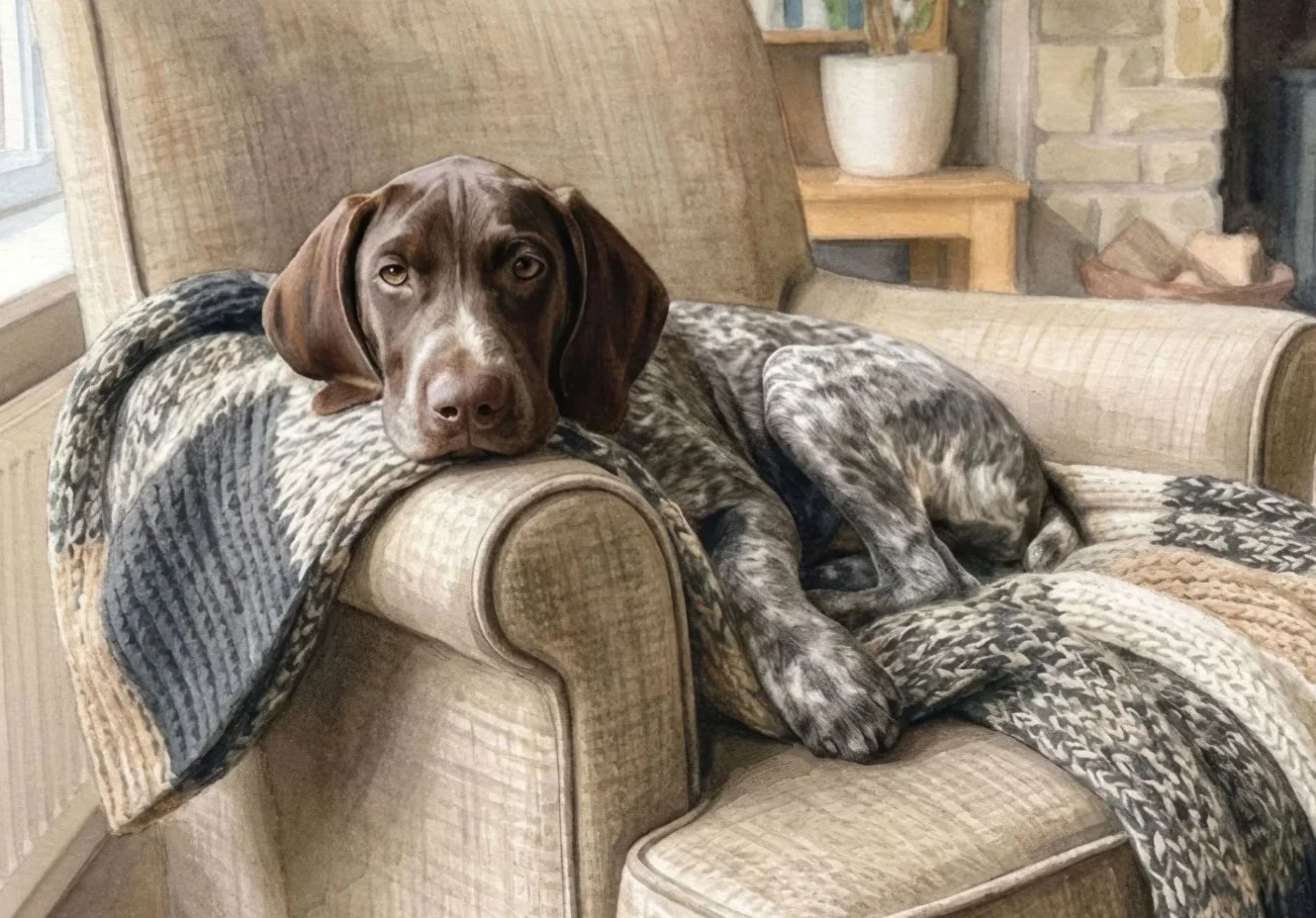
The house had grown too quiet.
It wasn’t the kind of quiet that comes with peace or contentment. It was more like a stillness that settled into the corners and stayed there, pressing in at odd hours of the day. The old man noticed it most in the evenings. For decades, that had been the time when conversation drifted easily from chair to chair, when soft laughter and familiar footsteps filled the rooms. After his wife passed, the silence had been difficult but manageable. He still had the dog they had loved together… a steady presence that kept life moving forward in small, necessary ways.
Then the dog was gone too.
He had told himself he was finished with animals. Finished with the routines, the worry, the inevitable goodbye. He packed away the leash. He washed the bowls and set them on a shelf in the basement. He kept his promise for several months, moving carefully through days that felt longer than they once had.
The visit to the breeder was not meant to change anything. He had gone only because a neighbor insisted he might enjoy the drive. Just to look, he told himself. Just to pass the time.
That was when he saw the young pointer.
The dog stood slightly apart from the others, ears low, eyes alert to every sudden sound. When a car door slammed outside, he flinched so sharply it seemed to ripple through his entire body. The old man recognized that kind of reaction. He had felt it himself more than once over the past year… the jolt of memory that comes without warning, the sudden reminder that life had shifted in ways he could not undo.
He took the dog home and named him Alder.
The first evening they sat together in the living room, neither one entirely sure what came next.
Loss has a way of arriving in layers. The passing of a spouse reshapes the structure of a home, leaving empty spaces where conversation and shared decision once lived. The passing of a longtime pet can deepen that change even further. Routines that once felt ordinary suddenly disappear. Meals become quieter. Walks are no longer necessary. Even the simple act of opening the door at the end of the day can feel different when no one is waiting on the other side.
For older owners especially, companionship is woven into the fabric of daily life. When it is gone, the loneliness is not only emotional. It is practical, tangible, present in the smallest habits.
This is one reason people sometimes seek out the same breed again after saying goodbye to a beloved animal. To an outside observer, the choice may appear to be an attempt at replacement. But those who have lived through the experience often understand it differently. The decision is less about finding the same dog and more about rediscovering a familiar rhythm. Certain breeds bring with them predictable patterns of energy, affection, and connection. They shape the way a household feels from morning until night.
Bringing home another dog of that same kind can feel like reopening a door that once led to comfort.
Healing, however, rarely arrives in a dramatic moment. It moves slowly, almost imperceptibly. Alder’s gun shyness became part of the old man’s own journey through grief. Sudden noises startled them both in different ways. Each learned to watch the other, to respond with patience rather than urgency. Trust grew through routine… quiet mornings, measured walks, evenings spent side by side near the window where light faded into shadow.
The dog did not erase the past. Neither did the man expect him to. Instead, they built something steady together, grounded in presence rather than expectation.
Welcoming a new companion can also become a way of honoring the ones who came before. Memories surface naturally in conversation, even when no one else is in the room to hear them. Comparisons are made, not in judgment, but in affection. The new animal develops a personality entirely his own while still carrying forward a subtle thread of continuity.
Love has a way of expanding to hold both what was lost and what has been found.
For some families, preserving that journey through art becomes deeply meaningful. A portrait can hold the likeness of a faithful friend who shaped years of shared experience. It can also celebrate the life that helped ease the ache of absence. When placed within the home, such images create a quiet dialogue between past and present… a reminder that grief and gratitude can exist together.
On certain evenings, the old man still notices the silence. It has not vanished entirely. But now there is the soft sound of movement across the floor, the weight of a head resting against his knee, the steady reassurance of a living presence nearby.
Alder did not come to replace what was gone.
He came to make life worth living again.